Operations
How to prioritize jobs when you’re overbooked
When the board is full, urgency and impact are not the same thing. Here’s how operators rank the next truck without a group chat.
by Ergova Staff · Feb 12, 2026
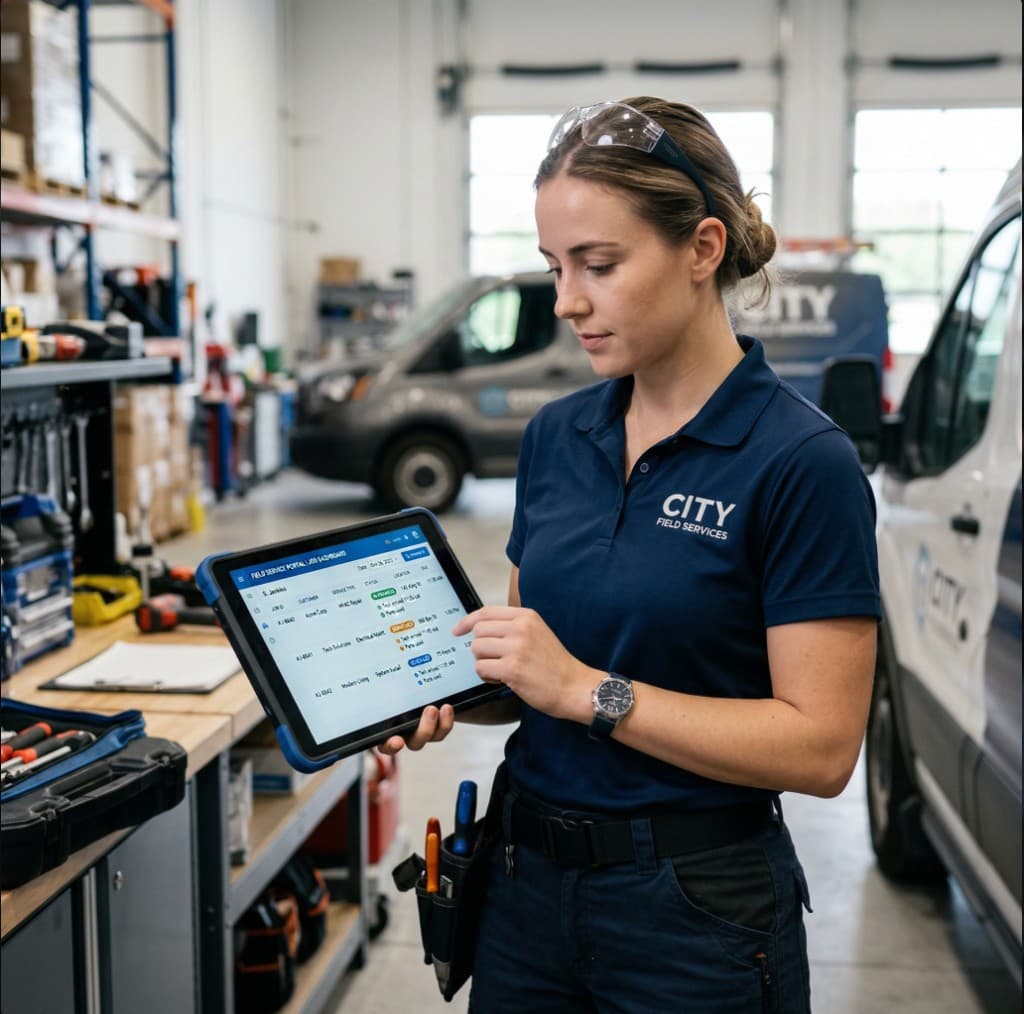
Every service company hits days where the board looks full and the phone will not stop. The mistake is treating every open job as equal. Urgency, revenue impact, crew availability, and customer risk rarely line up the same way—and first-in, first-out quietly burns money.
Prioritization is not about working faster. It is about deciding what deserves the next truck with a shared rule your dispatchers, CSRs, and owners can all see.
Separate urgency from importance
A same-day no-heat call and a high-ticket install both matter—but for different reasons. Urgency is about time windows, SLAs, and safety. Importance is about revenue, margin, and relationship risk.
Write those two scores down separately. When a day gets chaotic, you can still compare jobs without collapsing everything into “whoever yelled last.”
Rank against real capacity, not hope
A prioritized job that no crew can take is just a prettier backlog. Factor drive time, skill match, and who is already late before you promote a job to “next.”
Operators who keep one shared ranked view—updated as techs finish and customers call—spend less time renegotiating the board mid-morning.
Make the next move visible
Prioritization only works if the office and field see the same answer. Attach a clear next action to the top jobs: assign, confirm the window, or call the customer.
When ranking lives on the same job record as dispatch and billing, you stop re-litigating priorities in a text thread that disappears by Friday.